NPC Headliners: Nobel Women Laureates on Freedom and Democracy

Club members must be logged into their press.org account in order to access member ticket rates for this event.

Sep 13 2024

Clock icon WHEN:

Sep 13, 2024 at 12:30pm

Where icon WHERE:

Ballroom

User icon CONTACT INFO:

Cecily Scott Martin

[email protected]

Info icon MORE INFO:

NPC Luncheon

Registration/tickets required

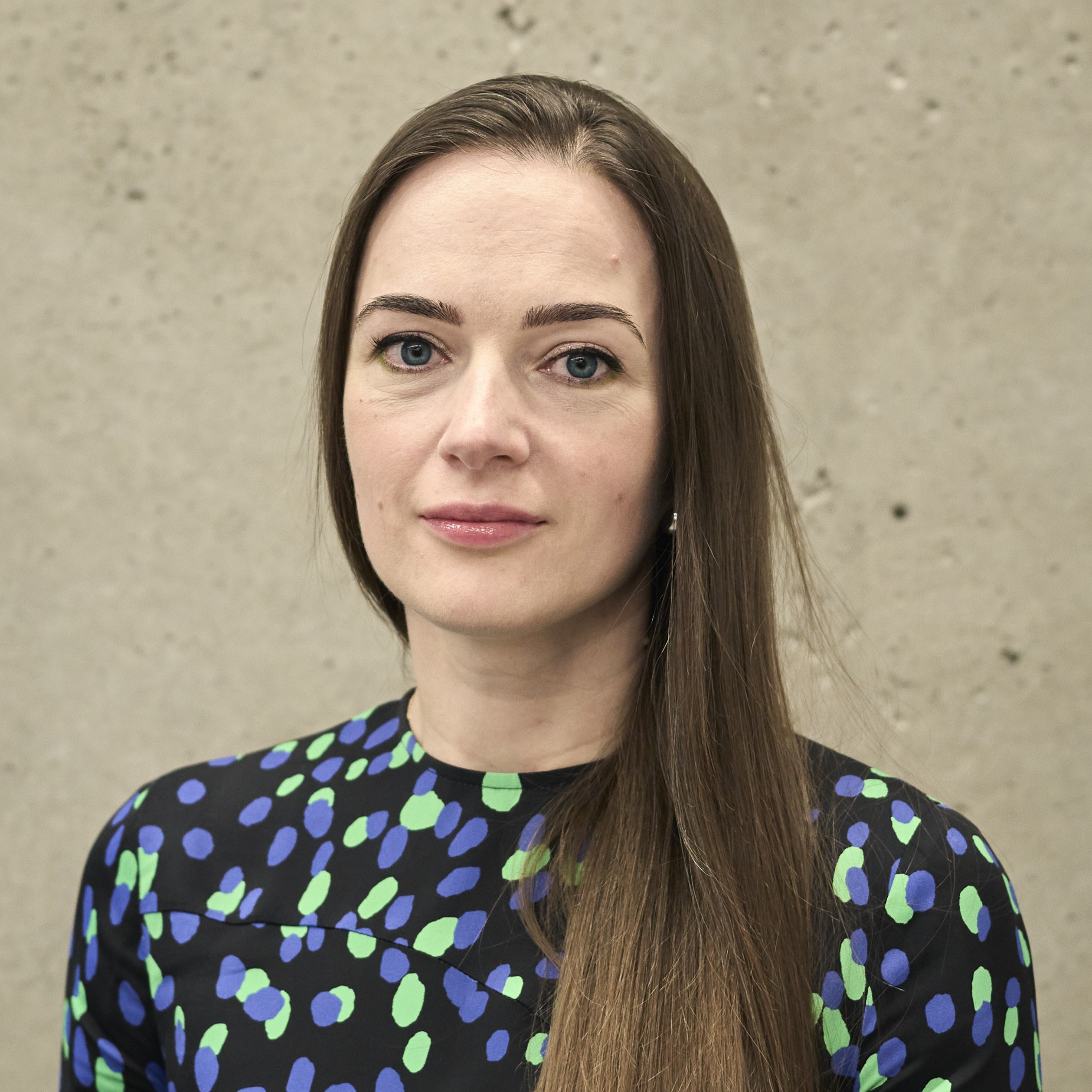
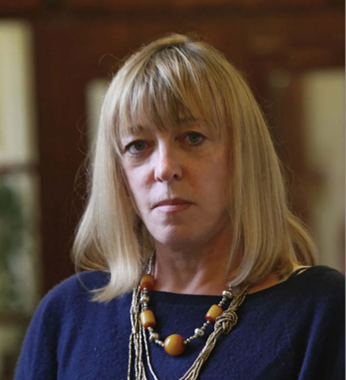
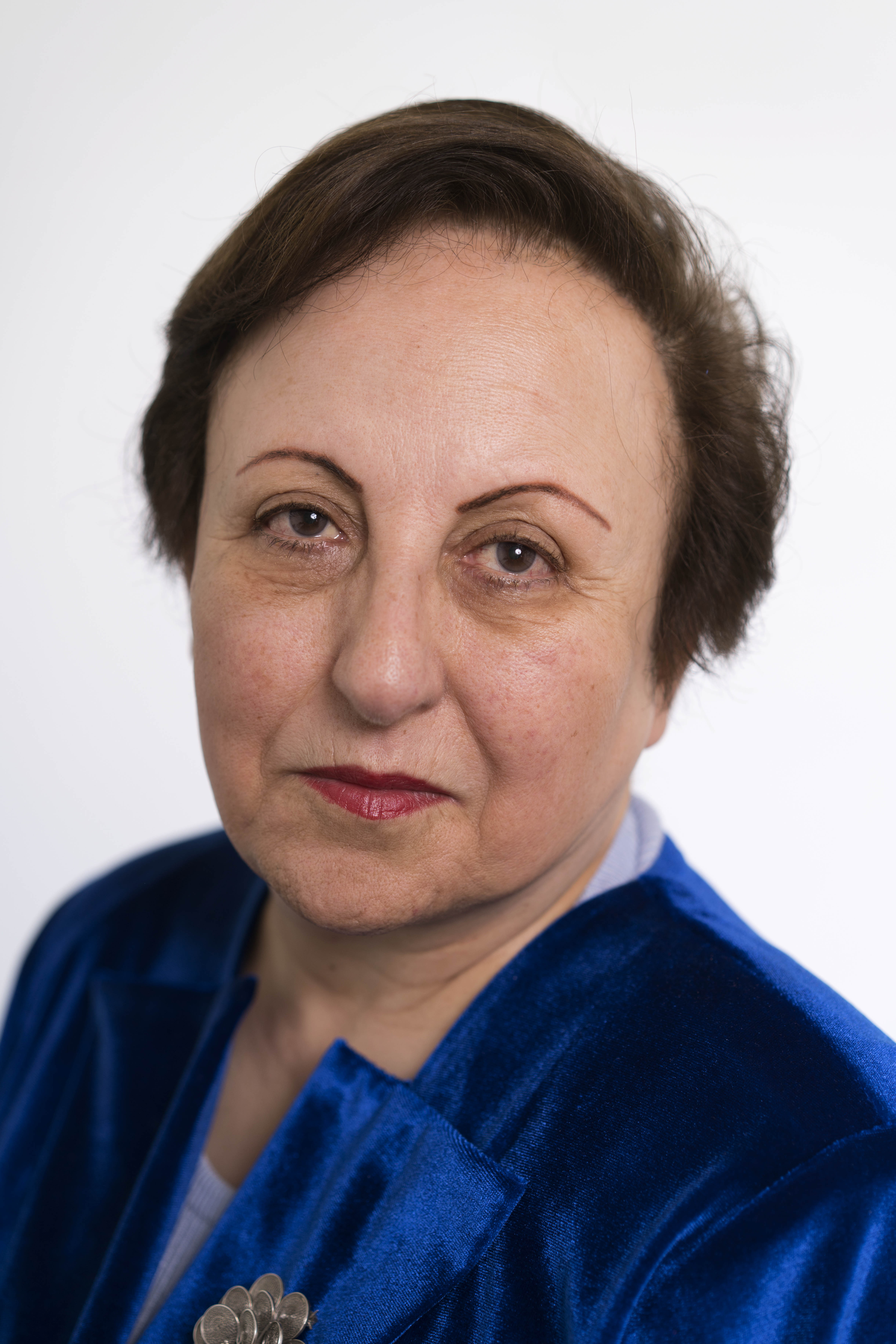
From de-escalating war and conflict internationally to preserving peaceful elections at home, the leaders of the Nobel Women’s Initiative (NWI) are seeking to change the world. Join National Press Club President Emily Wilkins in a rare conversation with five Nobel Peace Prize laureates about the crucial role of women who are fighting for peace and democracy at a Headliners Luncheon on Friday, Sept. 13.

The Headliners Luncheon highlighting women leading in change will feature Shirin Ebadi, the 2003 laureate from Iran; Leymah Gbowee,  the 2011 laureate from Liberia; Tawakkol Karman, the 2011 laureate from Yemen; Oleksandra Matviichuk, the 2022 laureate from Ukraine; and Jody Williams, the 1997 laureate from the United States.

Women are crucial to attaining lasting peace, and yet in times of war and conflict they are seen as victims, and too often excluded from formal peace-building processes. The laureates work together to use the platform and access that the Nobel Peace Prize offers to elevate the voices and support the work of women peace activists around the world.

The event begins at 12:30 p.m. with lunch in the Ballroom. The program begins at 1 p.m. National Press Club members may purchase up to two tickets for the discounted $25 member rate. Non-member tickets cost $45. To reserve a table and for all ticketing-related questions, please email [email protected]. All guest information must be confirmed 72 hours before the start of the event. Tickets must be paid for at the time of purchase.
 
To submit a question in advance for the speaker, put NOBEL on the subject line and email to [email protected]. The deadline for submitting questions in advance is 10 a.m. on the day of the event.

Shirin Ebadi - Iran 2003

Shirin Ebadi was awarded the 2003 Nobel Peace Prize for protecting human rights, in particular, the rights of women, children, and political prisoners in Iran. She is the first Muslim woman to receive the prize.

Dr. Ebadi was the first woman to become a presiding Judge in Iran. She, along with other women judges, was dismissed from that position after the Islamic Revolution in February 1979. She was made a clerk in the court she had once presided over. After obtaining her lawyer’s license in 1992, Dr. Ebadi set up private practice and took on many cases defending political dissidents. As result has been arrested numerous times and is forced to live in exile. Dr. Ebadi is a co-founder of Nobel Women’s Initiative.
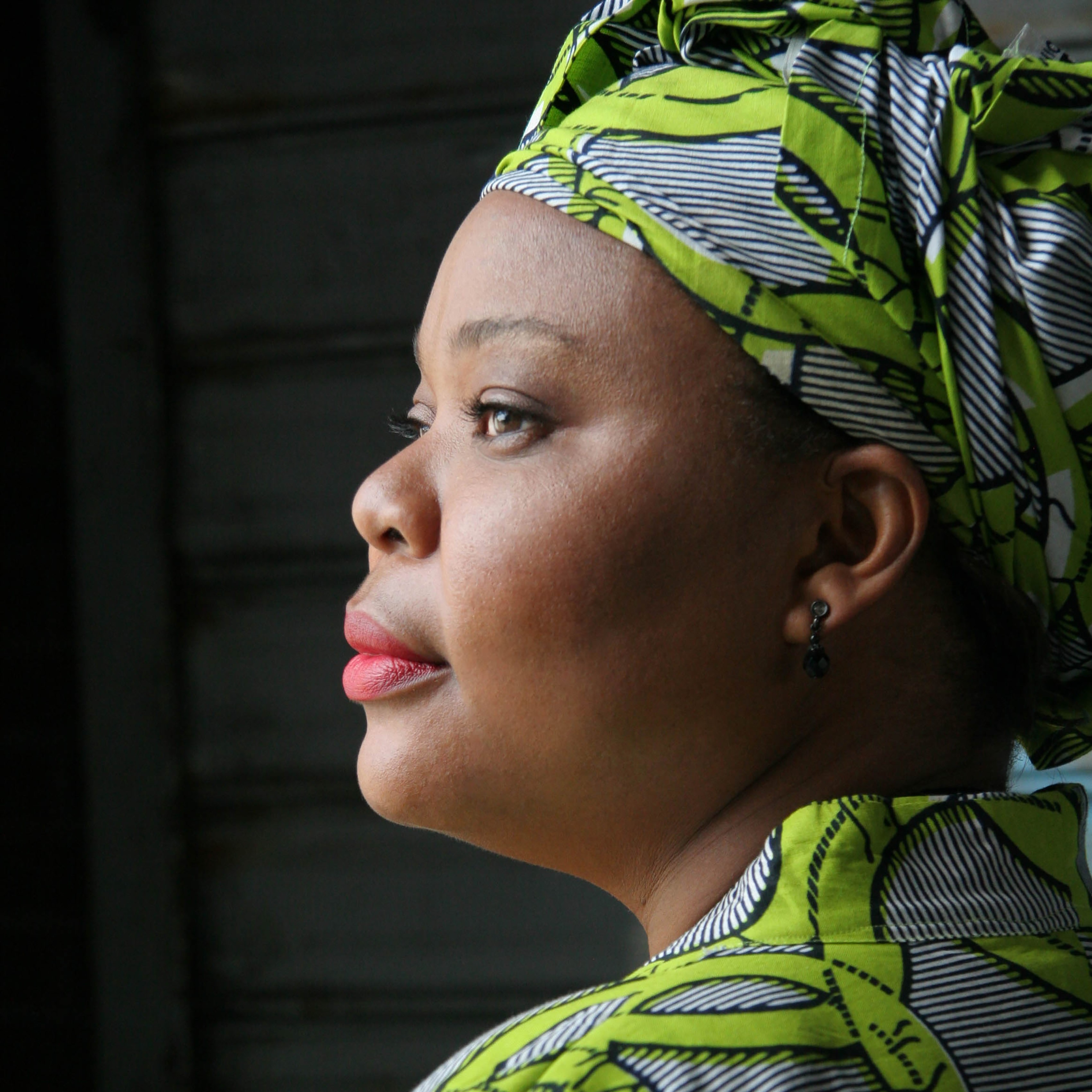
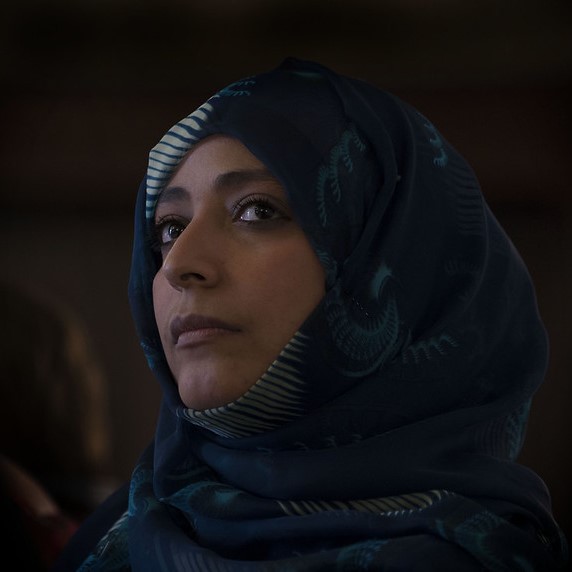
Leymah Gbowee - Liberia 2011

Leymah Gbowee received the Nobel Peace Prize in 2011 for leading a non-violent movement that played a central role in ending Liberia’s second civil war in 2003.

When the second civil war brought systematic rape and brutality to an already war-weary Liberia. In response, Leymah organized the Women of Liberia Mass Action for Peace movement through which thousands of women staged pray-ins and non-violent protests demanding reconciliation and the resuscitation of high-level peace talks. The pressure pushed President Charles Taylor into exile, and laid the path for the election of Africa’s first female head of state, fellow 2011 Nobel Laureate Ellen Johnson Sirleaf. Leymah is the founder and president of Gbowee Peace Foundation Africa, and the Executive Director of the Institute on Gender, Law, and Transformative Peace Initiative at the City University of New York School of Law.

Tawakkol Karman - Yemen 2011

Tawakkol Karman was awarded the Nobel Peace Prize in 2011 in recognition of sparking the non-violent struggle for women’s rights and democracy in Yemen.

A journalist by profession and human rights activist by nature, Tawakkol responded to long-standing political instability and human rights abuses in Yemen by mobilizing others and reporting on injustices. In 2007, Tawakkol began organizing weekly protests in Yemen’s capital, Sana’a, targeting systemic government repression and calling for inquiries into corruption and other forms of social and legal injustice. The weekly protests continued until 2011, when they flowed into the Arab Spring. Tawakkol has been imprisoned on a number of occasions for her pro-democracy, pro-human rights protests. Amongst Yemen’s opposition movement, she is known as “mother of the revolution” and “the iron woman.”

Oleksandra Matviichuk - Ukraine 2022

Oleksandra Matviichuk is the Chair of the Center for Civil Liberties in Ukraine, which received the Nobel Peace Prize in 2022 for efforts to document war crimes, human right abuses and the abuse of power. Oleksandra is a human rights lawyer and advocate, and works on issues in Ukraine and the OSCE region. After the start of the full scale invasion of Ukraine Matviichuk co-founded the ‘Tribunal for Putin’ to document international crimes in all regions of Ukraine which became the targets of attacks of the Russian Federation.

Oleksandra is a recipient of the 2022 Right Livelihood Award, recognised as one of the 25 most influential women in the world by Financial Times, as well as one of TIME magazine’s most influential people in 2023.

Jody Williams - USA 1997

Jody Williams Received the Nobel Peace Prize in 1997 for her work to ban landmines through the International Campaign to Ban Landmines. As its sole staff member, Jody played a pivotal role in the growth of the campaign from two organizations to over 1,300 globally, leading to the international treaty banning antipersonnel landmines.

Jody has been a life-long advocate of freedom, self-determination and human and civil rights. She is an ardent advocate for peace, which goes far beyond the absence of armed conflict and is defined by human, not national, security. In 2006 Jody Williams co-founded the Nobel Women's Initiative.

Livestream