
Screening of "Black Press: Soldiers without Swords"
Feb 28 2020
 WHEN:
WHEN:
Feb 28, 2020 at 6:00pm
 WHERE:
Cosgrove Lounge
 CONTACT INFO:
Eileen Schlef
 MORE INFO:
Special Event
Event Description:
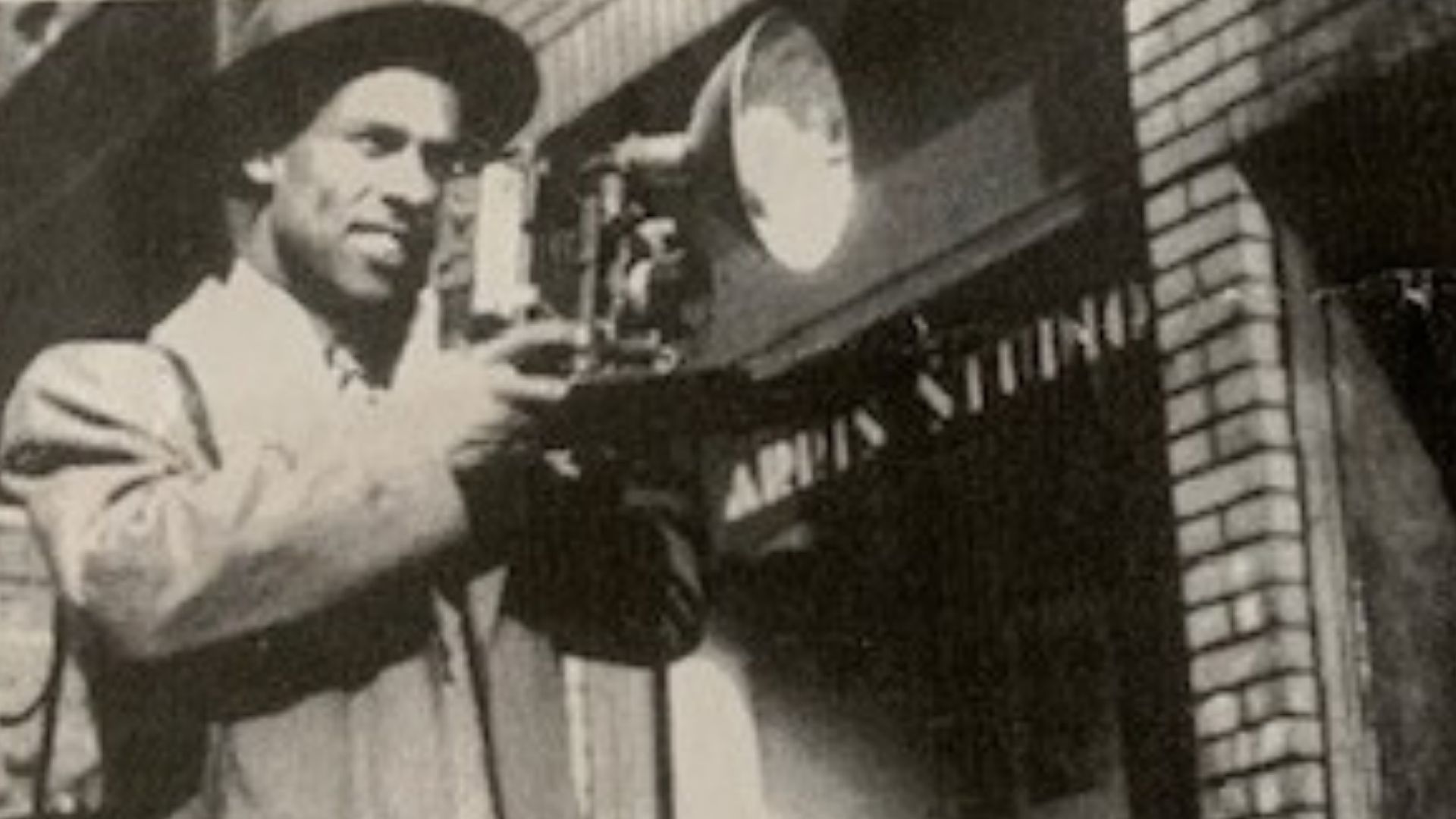
The National Press Club, Events Committee, is featuring the documentary The Black Press: Soldiers Without Swords, by award-winning director Stanley Nelson. The film debuted on PBS during Black History Month 1999 and was featured by NPR during the March On Washington 50th Anniversary recognition. Nelson was the Sundance Film Festival winner of the “Freedom of Expression Award in 1999 and the documentary was nominated for the Grand Jury Prize.
It was in 1827 that a group of black writers and journalists in New York created the nation’s first black-owned and operated newspaper, “Freedom’s Journal.” More than 30 black owned papers appeared in northern states before the civil war. More than 1100 were set up during the latter part of the 19th Century. The Journal published with this statement on March 16, 1827, “We wish to plead our own cause. Too long have others spoken for us – From the press and the pulpit we have suffered much by being incorrectly represented.” This compelling documentary traces the building of the black press in America.
The 2011 New York Times bestseller, “News for All the People: The Epic Story of Race and the American Media by Juan Gonzales and Joseph Torres, wrote that their research revealed that “racial segregation has distorted the information Americans received from mainstream media. The story continues with many ethnic groups stating, “We want to have our own voice, to tell our own story.”
From the McArthur Foundation Media Report
The Black Press: Soldiers Without Swords chronicles the growth, accomplishments and illustrious history of what once was this nation’s strongest voice for the African American community. The 90-minute film is divided into five parts: No Longer Shall Others Speak For Us provides an overview of the growth and influence of the Black press, from the founding of Freedom’s Journal in 1827 to the turn of the century. Standing Up for the Race examines the role of Black journalists like Chicago Defender publisher Robert Abbott in advancing the "Great Migration" of blacks from the South. The film shows how attempts to ban the sale of the Defender from many southern cities were thwarted by a network of Pullman porters who managed to distribute the paper clandestinely. A Separate World focuses on the years between 1920 and 1930. According to journalist Abie Robinson, editors, writers, cartoonists and photographers were heroes of the Black community, ". . . because we were the only ones able to write and crusade for the things that were in the hearts of Black people." Treason? compares the disparate coverage of the mainstream press and the Black press concerning the contributions of African Americans during WWII. This section revisits the nearly forgotten "Double V" campaign spearheaded by the Pittsburgh Courier that linked the struggle against fascism abroad to segregation at home, and nearly resulted in Black publishers being indicted for sedition. The "Double V" campaign help to lay the groundwork for the Civil Rights Movement to come. Putting Itself Out of Business discusses the reasons for the decline of the Black press in the last 30 years, and the residual effect on African American communities.