
Film revisits how 1975 women's strike set Iceland on a course for gender equality

When 90% of Iceland’s women walked off the job and out of their homes the morning of Oct. 24, 1975, the country came to a standstill. They refused to work, cook, or take care of the children; they brought their country to its knees and catapulted the island nation to its status as one of the best places in the world today to be a woman.

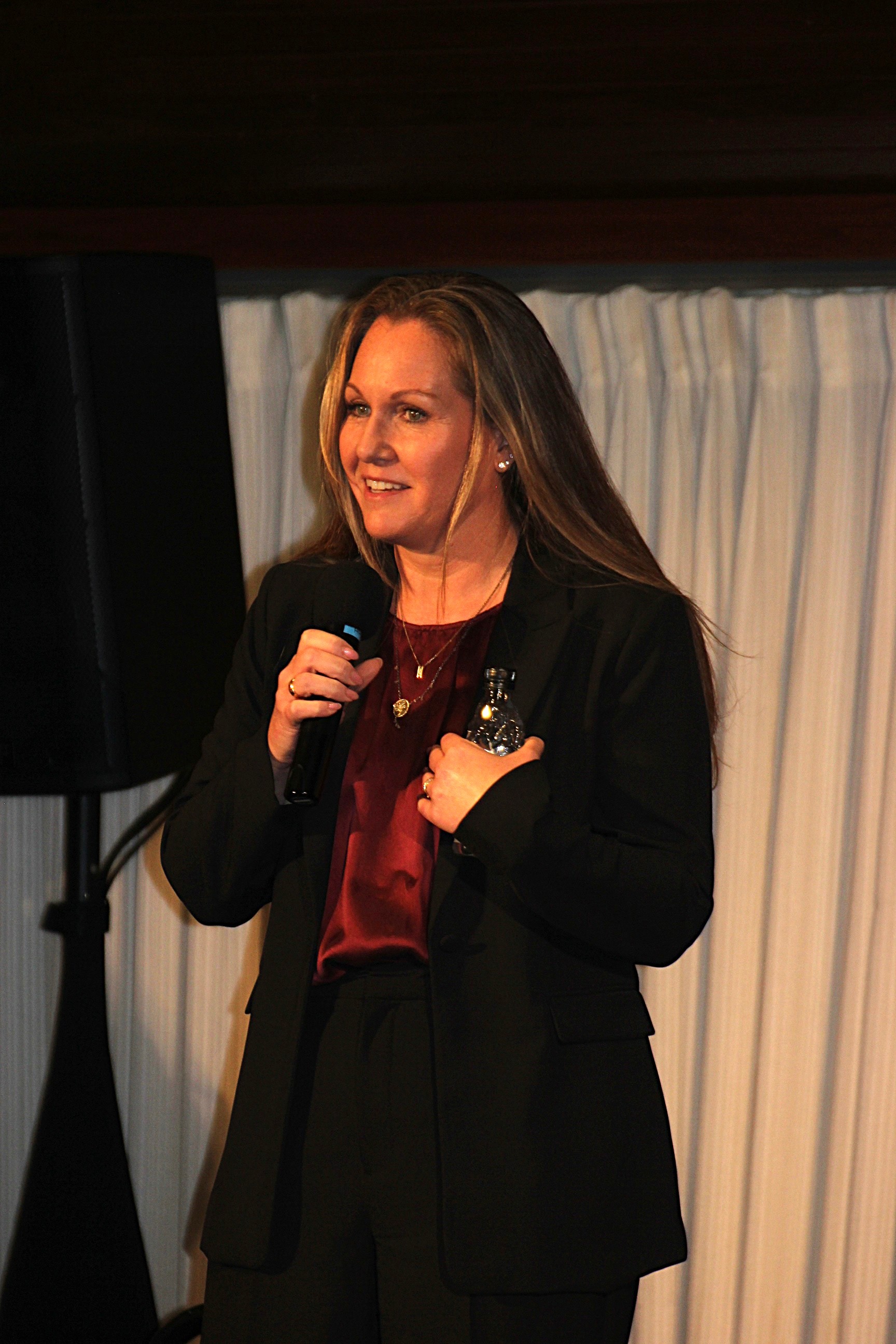
Ambassador of Iceland to the United States Svanhildur Hólm Valsdóttir delivers opening remarks at the screening of "The Day Iceland Stood Still" on Oct. 8. Photos by Rena Malai.

Fifty years later, Pamela Hogan and Hrafnhildur Gunnarsdóttir's groundbreaking film, "The Day Iceland Stood Still" takes viewers inside the minds, hearts, and homes of dozens of those courageous women. The movie is capturing the imagination of viewers at showings in cities around the world at including on Oct. 8 at the National Press Club, where the filmmakers were joined after the screening for a panel discussion with the Ambassador of Iceland to the United States Svanhildur Hólm Valsdóttir.

“I am impressed that the story of this pivotal event in Iceland’s history is told by the women themselves and timed for release in the lead-up to the strike’s 50th anniversary,” Valsdóttir said. “While the strike was subversive to some, the film is unexpectedly funny and very powerful.”

Through a mix of interviews with dozens of the women who were part of the 1975 strike, archived footage, and animation by US artist Joel Orloff, the film offers insights into the sentiment of the time. “We loved our male chauvinist pigs,” recalled one of the activists. “We just wanted to change them a little!”
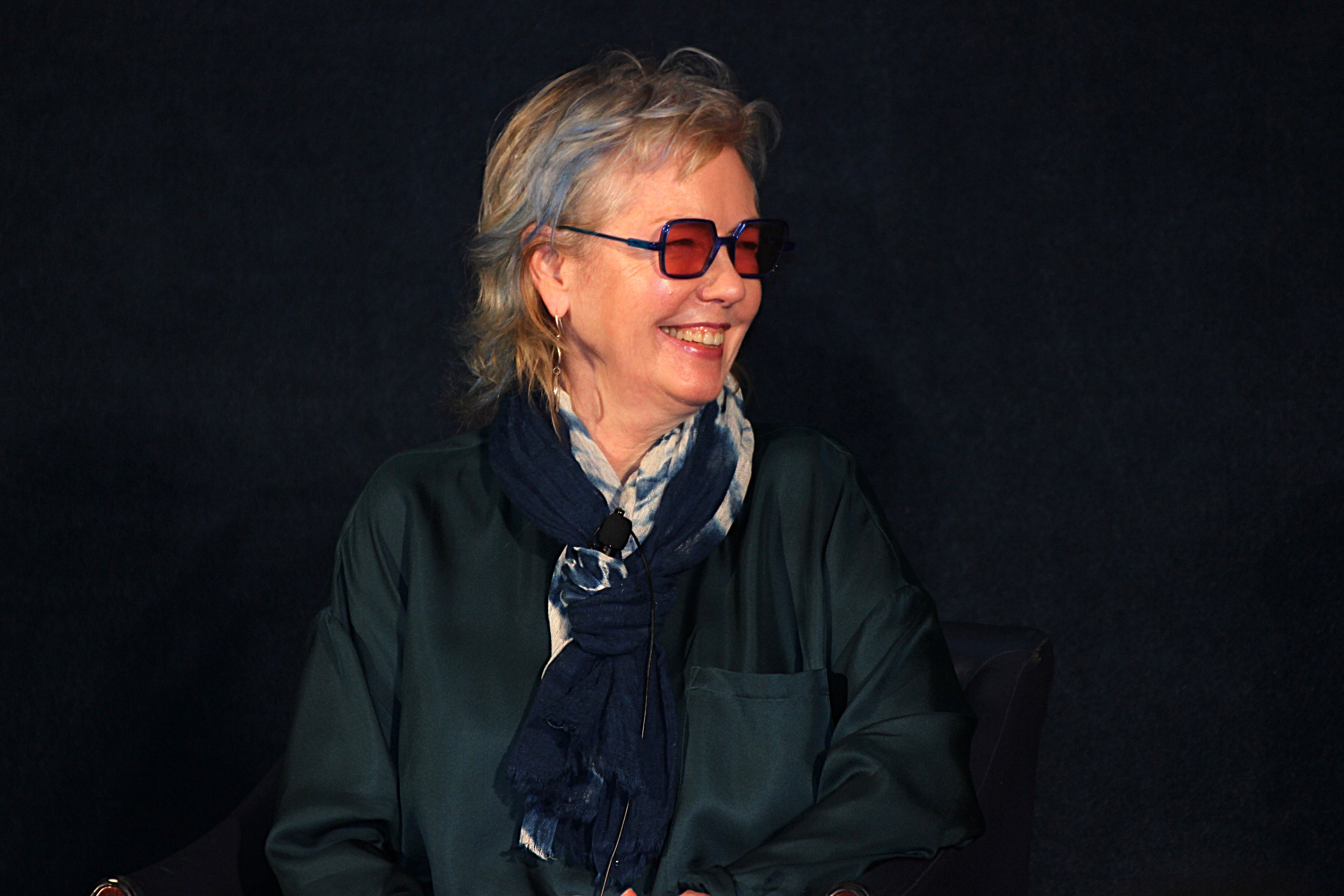
Filmmaker Pamela Hogan said she learned about the strike from a program in a Lonely Planet guidebook.

Hogan, the U.S.-based director who campaigned as a high school student in the 1970s with her activist mother to pass the Equal Rights Amendment, said, “This is the true story of one day that changed everything. While the ERA never passed in the U.S., and Iceland still isn’t perfect – it’s the only country to have closed over 90% of its gender gap and committed to reaching full equality in the near future.”

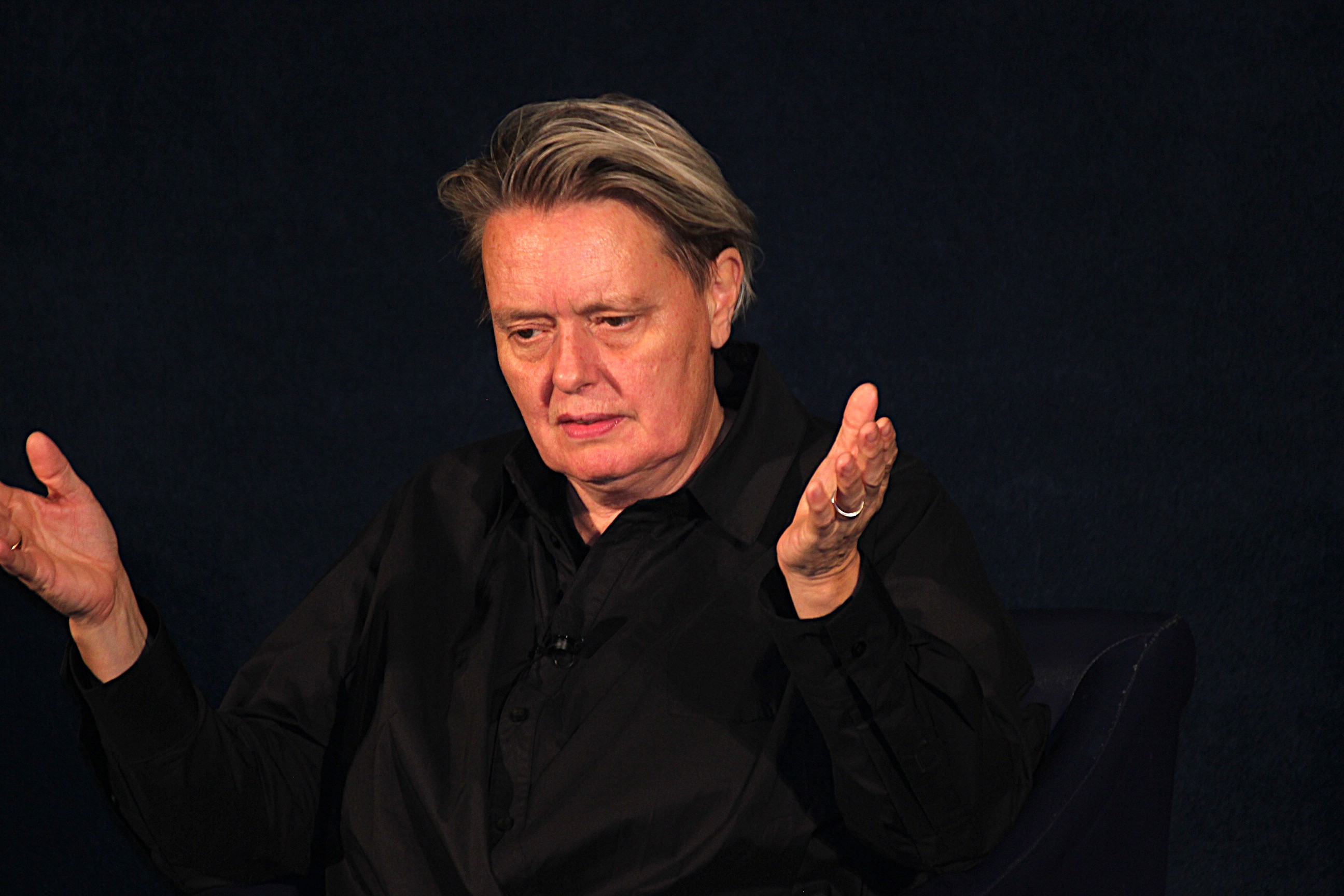
Filmmaker Hrafnhildur Gunnarsdóttir accompanied her mother to the strike.

Gunnarsdóttir, the co-producer of the project, is an Icelandic filmmaker who, at the age of 11, accompanied her mother to the 1975 strike. “I thought that when we woke up the next morning, everything would be ‘fixed,’ that men and women would be equal from now on, and I would have the same opportunities as boys and men.”

While change is still in progress, in retrospect, Gunnarsdóttir said the power of the strike gave her shoulders to stand on. “I sometimes wonder what would have happened if I had not had that idea in my head, if the strike had not happened," she said. "Now, of course, my whole life has been a struggle to survive as a filmmaker, as an artist, but here I am, and this has been my career, and I think that is a win.”

Hogan agreed. “The only thing new in the world is the history you do not know. We hope this story will inspire viewers all over the world to reimagine the possible."