NPC Headliners: Discussion on the First Amendment

The Free Press on Trial:

A Conversation with Toni Locy, Laura Handman and Eric Hageman

Jul 21 2026

Clock icon WHEN:

Jul 21, 2026 at 6:00pm

Where icon WHERE:

First Amendment Lounge

User icon CONTACT INFO:

Cecily Scott Martin

[email protected]

Info icon MORE INFO:

Headliner

Registration/tickets required

Former Voice of America White House Bureau Chief Steve Herman and nationally syndicated radio host Bill Bernardoni will lead a discussion on the First Amendment with Eric HagemanLaura Handman and Toni Locy at a National Press Club Headliners Cocktails & Conversation at 6 p.m. Tuesday, July 21. 

The United States has turned 250 this year. As a clear-eyed accounting of where the country actually stands and where it’s headed, Bernadoni and Herman, executive director of the Jordan Center for Journalism Advocacy and Innovation at the University of Mississippi, have created their radio show America at 250: Due Diligence.  

They will explore current challenges to the First Amendment with journalism and legal experts Tuesday evening at the Club. The discussion will be featured in an episode of the radio program. 

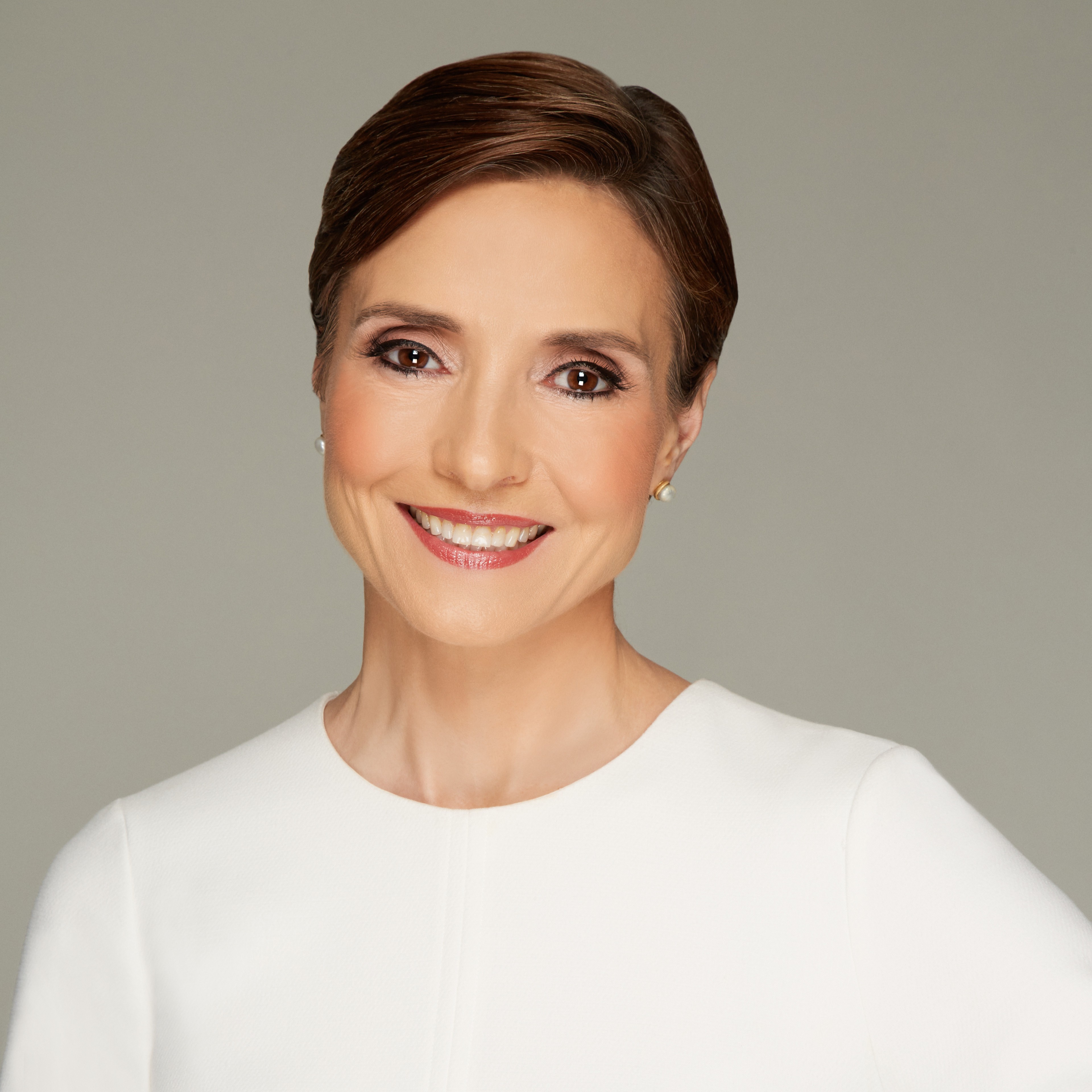
The Headliners event begins with a statement from Catherine Herridge on her ongoing First Amendment case at 6 p.m., followed by a discussion with Hageman, Handman and Locy moderated by Bernadoni and Herman, ending at 7 p.m. Doors will open at 5:30 p.m.  

To submit questions in advance for the speakers, put USA250 in the subject line and email to [email protected]

Catherine V. Herridge is an Emmy Award-winning veteran investigative correspondent who has covered national security and intelligence for ABC News, Fox News, and CBS News. 

In February 2024, Herridge was held in civil contempt by a U.S. federal court for refusing to disclose her confidential sources for a series of national security reports from 2017. Later this summer, Herridge and her legal team will ask the Supreme Court to consider her First Amendment case, which has significant implications for journalists across the United States. On July 2, the Court denied Herridge’s application to halt the $800 a day in court fines.

Today, Herridge works as an independent journalist on X, YouTube, and through her newsletter. She has reported from Afghanistan, Iraq, Qatar, Israel, Northern Ireland, Russia, and the former Yugoslavia. A graduate of Harvard College and the Columbia School of Journalism, she founded a national security reporting scholarship at Columbia. 

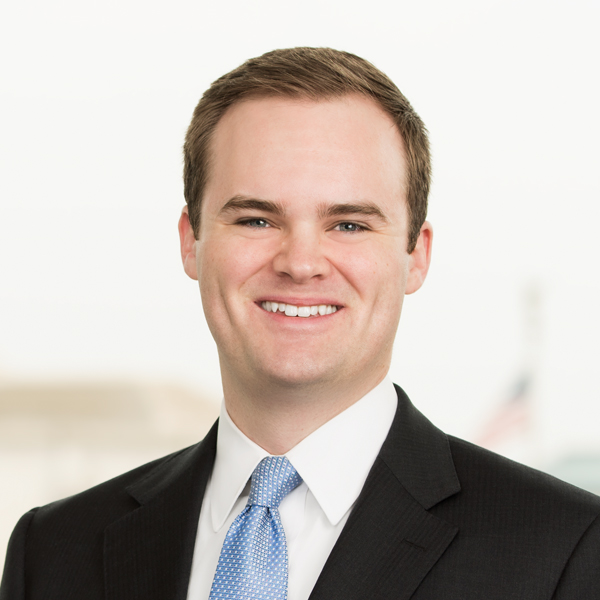
Eric Hageman is a partner at Clare Locke LLP, where he manages public-facing crises and represents individuals, corporations, and nonprofit and religious institutions in defamation litigation. 

Eric has litigated in state and federal trial and appellate courts across the country, and has authored merits and amicus briefs in the U.S. Supreme Court and the federal courts of appeals. Before joining Clare Locke, Eric practiced appellate law in the Washington, D.C., offices of two multinational firms. He clerked for Judge Kyle Duncan of the U.S. Court of Appeals for the Fifth Circuit and Judge Thomas Schroeder of the U.S. District Court for the Middle District of North Carolina. 

Eric earned his J.D. from Notre Dame Law School, where he was Executive Editor of the Notre Dame Law Review and wrote on the Takings Clause and on the obligations of judicial candor, and his Bachelor of Architecture from the University of Notre Dame. His writing has appeared in the Notre Dame Law Review, Law and Liberty, and Mirror of Justice

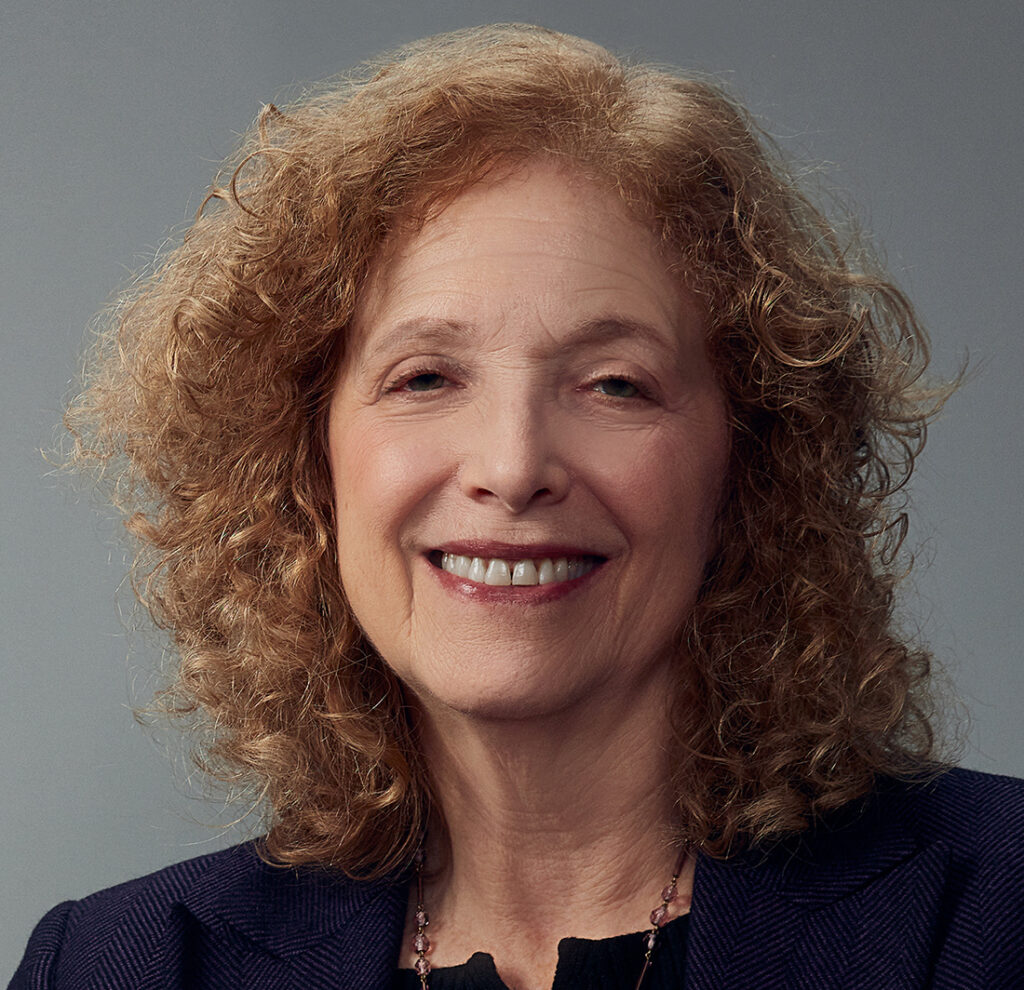
Representing content publishers—U.S. and foreign; digital, print and broadcast; and for-profit and nonprofit—Laura Handman, a partner at Davis Wright Tremaine, draws upon her four decades of experience helping her clients bring to light newsworthy information and then defending them from complaint through appeal. Along the way, Laura has established many of the key precedents that have strengthened the protection for content—winning the first U.S. decisions to refuse to enforce foreign libel judgments, leading to passage of the SPEECH ACT; establishing the standard in New York for libel by implication; establishing a heightened standard before, the government can access records of a customer's expressive content purchases, establishing that internet rankings are opinion, defeating use of RICO in libel suits against advocacy groups and securing for satire protection from libel and right of publicity claims. Laura is on the executive committee of the Reporters Committee for Freedom of the Press. Laura is ranked Band 1 Nationwide in First Amendment Litigation and Band 1 in Media & Entertainment in Washington, D.C., in Chambers and was Law 360's MVP in Entertainment and Media (2016).

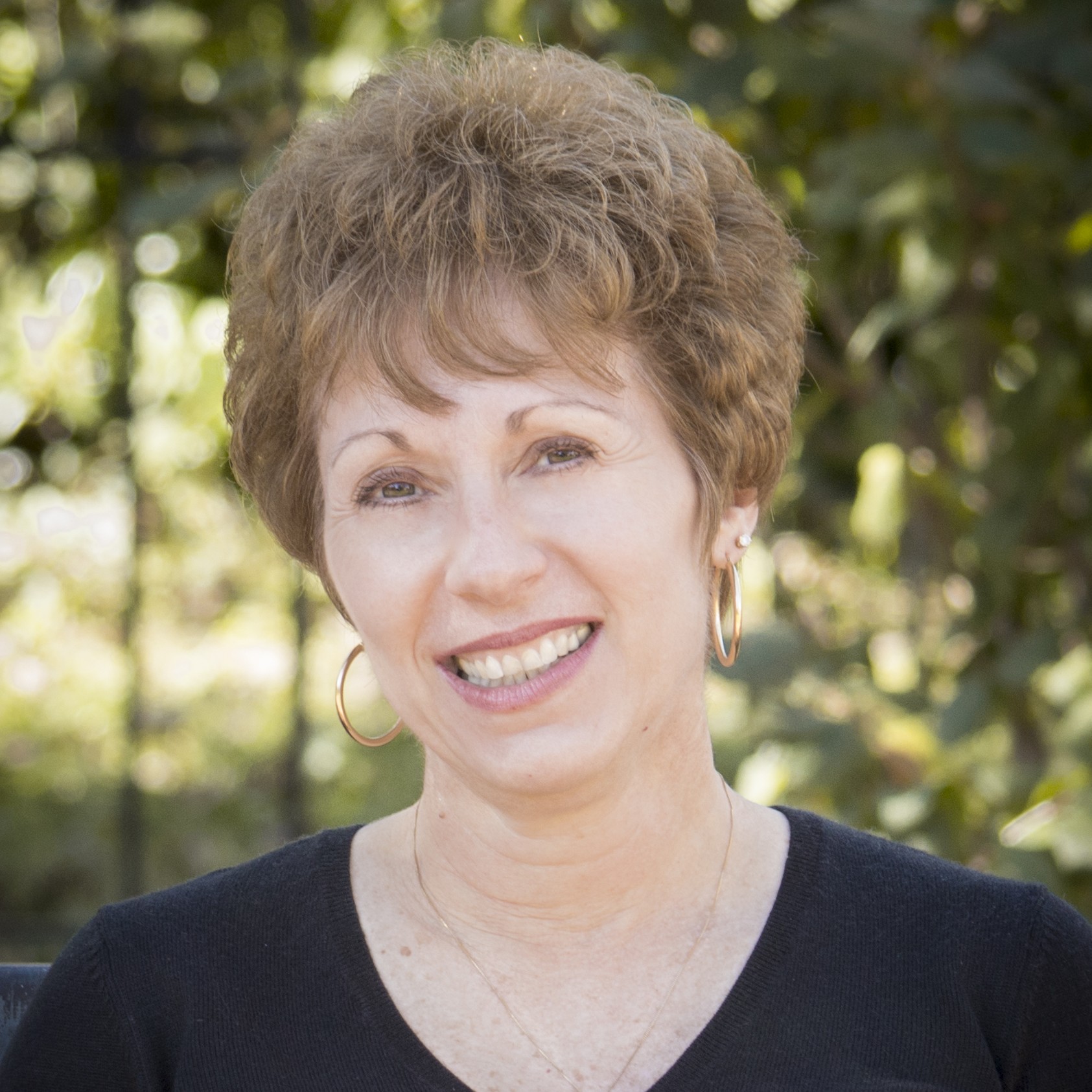
Toni Locy spent 25 years as a reporter for some of the nation’s biggest and best news organizations. She specialized in coverage of federal, state and local law enforcement, the federal trial and appellate courts, and the U.S. Supreme Court. She began her career in 1981 at the Pittsburgh Press, where she covered organized labor and federal courts.  

Locy also worked at the Philadelphia Daily News, Boston Globe, Washington Post, U.S. News & World Report, USA Today, and the Associated Press. 

She left daily journalism in 2006 to pursue a master’s degree in the Studies of Law at the University of Pittsburgh School of Law.  

In 2008, she joined the faculty of Washington and Lee University’s Department of Journalism. She teaches journalism skills courses, from the introduction to newswriting to beat reporting to investigative reporting. She also offers courses on covering the courts, Great Trials in History, and Badass Female Journalists, among others. 

In 2008, a federal judge in Washington held her in contempt of court for refusing to reveal the identities of confidential sources who provided information for stories she wrote for USA Today about the FBI’s flawed investigation into the deadly 2001 anthrax attack.  

Locy was subpoenaed as a witness in a civil lawsuit filed by scientist Steven Hatfill, who had been identified by Attorney General John Ashcroft as “a person of interest” in the anthrax attack investigation but never charged. Hatfill sued the U.S. Department of Justice, accusing federal agents of violating his rights under the 1974 Privacy Act.  

U.S. District Cout Judge Reggie B. Walton held Locy in contempt of court when she refused to identify her sources. Walton also imposed fines that began at $500 a day for a week, increased to $1,000 a day for a second week, and escalated to $5,000 a day for a third week. He also banned Locy from accepting help in paying the fines. The judge threatened additional sanctions, including jail, if she continued to disobey his order. Judge Walton also denied her requests to stay the contempt citation and fines pending an appeal. 

Locy’s lawyers subsequently filed an appeal in the U.S. Court of Appeals for the D.C. Circuit, where a three-judge panel agreed to pause the fines. The circuit court panel heard oral argument but did not issue a decision because the U.S. Department of Justice eventually settled the lawsuit with Hatfill, paying him $2.8 million in cash and another $3 million in annuity payments of $150,000 a year for 20 years.